How Businesses Are Using Mobile App Development in 2026: Top Trends Explained
Table of Contents
Mobile apps are no longer optional; they are a core business infrastructure. In 2026, companies across industries are investing heavily in app development services and mobile application development services to improve customer experience, automate operations, and unlock new revenue streams.
This guide breaks down the most important trends shaping mobile app development in 2026 and how businesses are leveraging them to stay competitive.
AI-Powered Mobile Apps Are Becoming the Standard
Artificial Intelligence is no longer a “premium feature”-it’s expected.
Businesses are integrating AI into mobile app services to:
• Deliver personalized recommendations
• Automate customer support with AI chatbots
• Predict user behavior
• Enhance search and navigation
Real-World Impact:
• E-commerce apps suggest products based on browsing behavior
• Fintech apps analyze spending patterns
• Healthcare apps provide symptom-based suggestions
AI is helping businesses move from reactive to predictive engagement, increasing both retention and conversions.
Rise of Super Apps
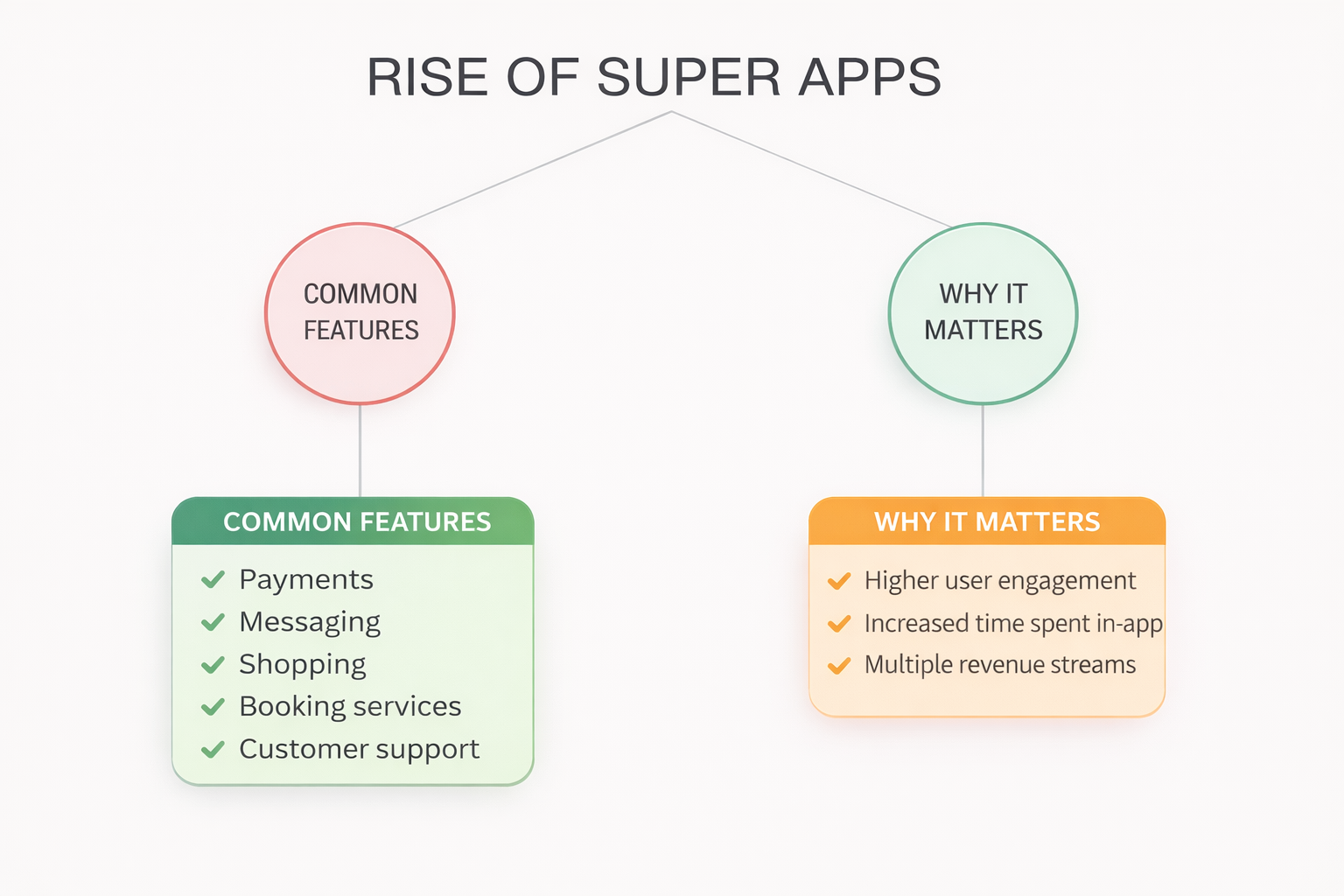
Super apps combine multiple services into a single platform-reducing the need for users to switch between apps.
Common Features:
• Payments
• Messaging
• Shopping
• Booking services
• Customer support
Businesses are working with mobile application development services to build ecosystems rather than standalone apps.
Why It Matters:
• Higher user engagement
• Increased time spent in-app
• Multiple revenue streams
In 2026, even mid-sized companies are exploring “mini super apps” tailored to their niche.
Cross-Platform Development Dominates
Companies want faster launches and lower costs. That’s why cross-platform frameworks are becoming the default choice in mobile development services.
Benefits:
• Single codebase for Android and iOS
• Faster time-to-market
• Reduced development costs
• Easier maintenance
Technologies like Flutter and React Native continue to evolve, enabling near-native performance.
Businesses that understand the role of AI in Android apps and hire mobile app developers with cross-platform expertise are able to scale faster while maximizing efficiency, without doubling their investment.
Focus on Hyper-Personalization
Users now expect apps to “understand” them.
Hyper-personalization uses:
• User data
• Behaviour tracking
• AI algorithms
To deliver:
• Customized content
• Personalized offers
• Dynamic UI experiences
Example:
Streaming apps adjusting recommendations in real-time or shopping apps changing homepage layouts based on user activity.
This trend is driving demand for advanced mobile app services that combine data analytics with UX design.
Integration with IoT Devices
The Internet of Things (IoT) is transforming how apps interact with the physical world.
Use Cases:
• Smart home control apps
• Fitness trackers syncing with mobile apps
• Industrial apps monitoring machinery
Businesses are using app development services to build apps that act as control hubs for connected devices.
Result:
• Real-time monitoring
• Increased automation
• Better user convenience
5G is Unlocking New App Capabilities
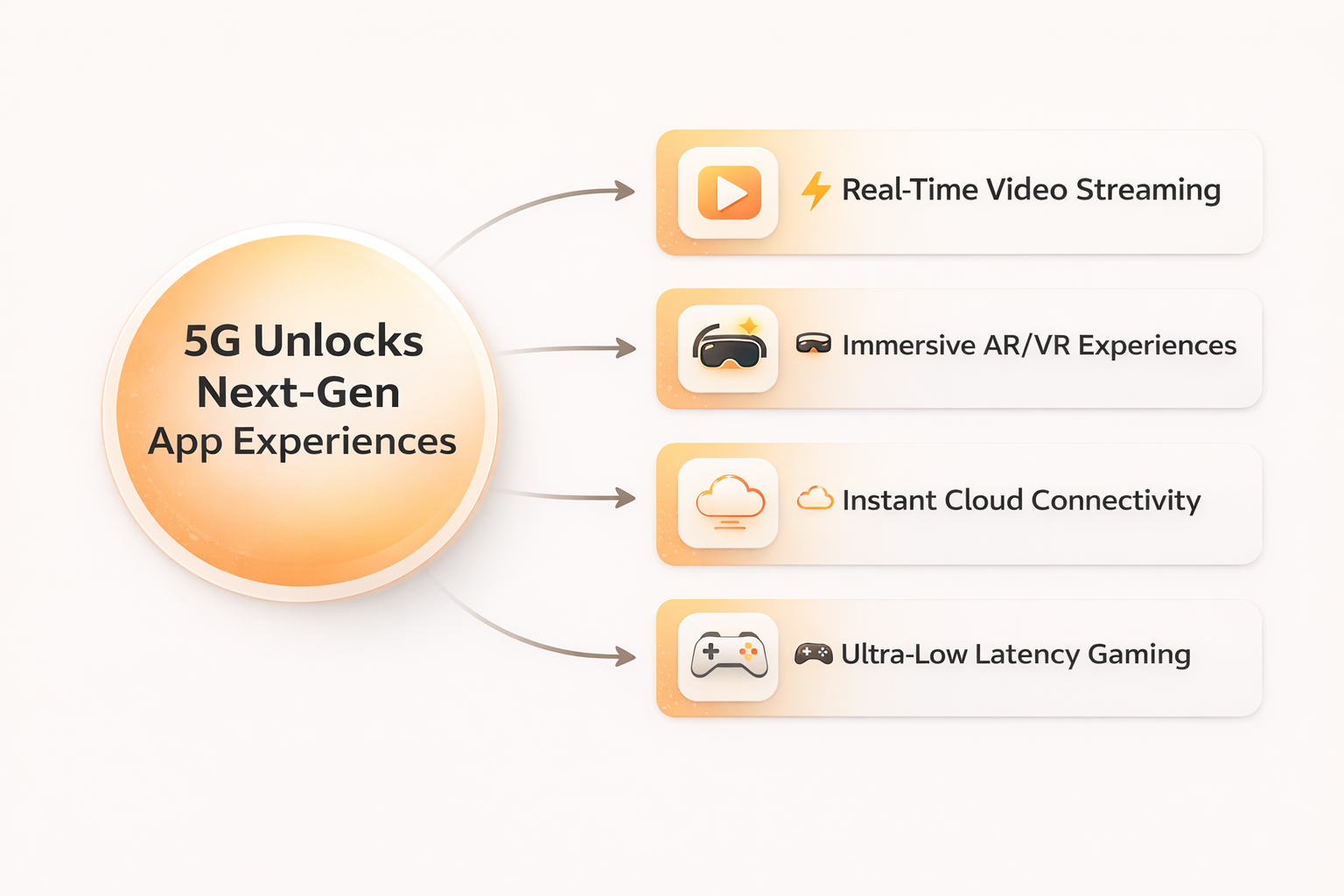
With widespread 5G adoption, apps are becoming faster and more powerful.
What 5G Enables:
• Real-time video streaming
• AR/VR experiences
• Instant cloud access
• Low-latency gaming
Businesses leveraging mobile application development services can now build feature-rich apps without performance limitations.
On-Demand Apps Continue to Grow
The on-demand economy is still expanding in 2026.
Popular Segments:
• Food delivery
• Ride sharing
• Home services
• Healthcare consultations
Businesses are using mobile development services to create platforms that connect users with services instantly.
Key Features:
• Real-time tracking
• Secure payments
• Push notifications
• Ratings and reviews
Convenience is driving this trend, and mobile apps are at the center of it.
Enhanced App Security and Privacy
With increasing data breaches, security is a top priority.
Businesses are investing in secure mobile app services that include:
• Biometric authentication (fingerprint, face recognition)
• End-to-end encryption
• Secure payment gateways
• Data privacy compliance
Why It Matters:
User trust directly impacts app adoption and retention.
Companies that hire mobile app developers with strong security expertise gain a competitive advantage.
Progressive Web Apps (PWAs) Are Gaining Traction
PWAs combine the best of websites and mobile apps.
Advantages:
• No download required
• Fast loading
• Works offline
• Lower development cost
Many businesses are choosing PWAs as part of their mobile application development services strategy to reach users without app store barriers.
Voice and Conversational Interfaces
Voice search and conversational UI are becoming more common.
Applications:
• Voice-enabled search
• Smart assistants
• Hands-free navigation
Businesses are integrating voice features into mobile app services to improve accessibility and user experience.
Real-Time Data and Analytics Integration
Modern apps rely heavily on real-time data.
What Businesses Track:
• User behavior
• App performance
• Conversion funnels
• Engagement metrics
Using advanced app development services, companies can:
• Make instant decisions
• Optimize user journeys
• Improve ROI
Data is no longer collected just for reporting-it drives real-time actions.
AR and VR Experiences Are Expanding
Augmented Reality (AR) and Virtual Reality (VR) are moving beyond gaming.
Business Use Cases:
• Virtual product try-ons
• Real estate virtual tours
• Interactive learning apps
With improved hardware and 5G, businesses are investing in immersive mobile development services to stand out.
Subscription-Based App Models
Recurring revenue models are becoming more popular.
Examples:
• Streaming platforms
• Fitness apps
• Learning platforms
Businesses are designing apps with built-in subscription systems using mobile app services.
Benefits:
• Predictable revenue
• Higher customer lifetime value
Low-Code and No-Code Development Growth
Low-code platforms are changing how apps are built.
Benefits:
• Faster development
• Lower technical barriers
• Reduced costs
However, for complex and scalable apps, businesses still prefer to hire mobile app developers for custom solutions.
Seamless Payment Integration
Digital payments are now expected in almost every app.
Features:
• UPI, wallets, cards
• One-click checkout
• Subscription billing
Businesses are integrating secure payment systems through mobile application development services to improve user convenience and boost conversions.
Mobile App Development in 2026
Mobile app development in 2026 is driven by innovation, speed, and user expectations. Businesses are no longer building apps just for presence, they are building them for performance, engagement, and revenue growth.
With expertise from Sensation Software Solutions, companies can leverage AI powered personalization, real time analytics, and super apps, as modern mobile app services continue transforming how businesses operate and interact with customers.
The key takeaway:
Businesses that invest in the right app development services and choose to hire mobile app developers with the right expertise are not just keeping up-they are leading their markets.
Frequently Asked Questions:
What are the key benefits of hiring mobile app developers?
When you hire mobile app developers, you gain access to:
- Technical expertise
- Custom solutions
- Scalable architecture
- Better security implementation
What is the difference between mobile app services and app development services?
Mobile app services include the entire lifecycle-design, development, maintenance, and updates-while app development services focus primarily on building the application.
Are cross-platform apps better than native apps?
Cross-platform apps are cost-effective and faster to develop, but native apps may offer better performance for complex applications. The choice depends on business needs.
How does AI improve mobile apps?
AI enhances apps by enabling personalization, automation, predictive analytics, and smarter user interactions.